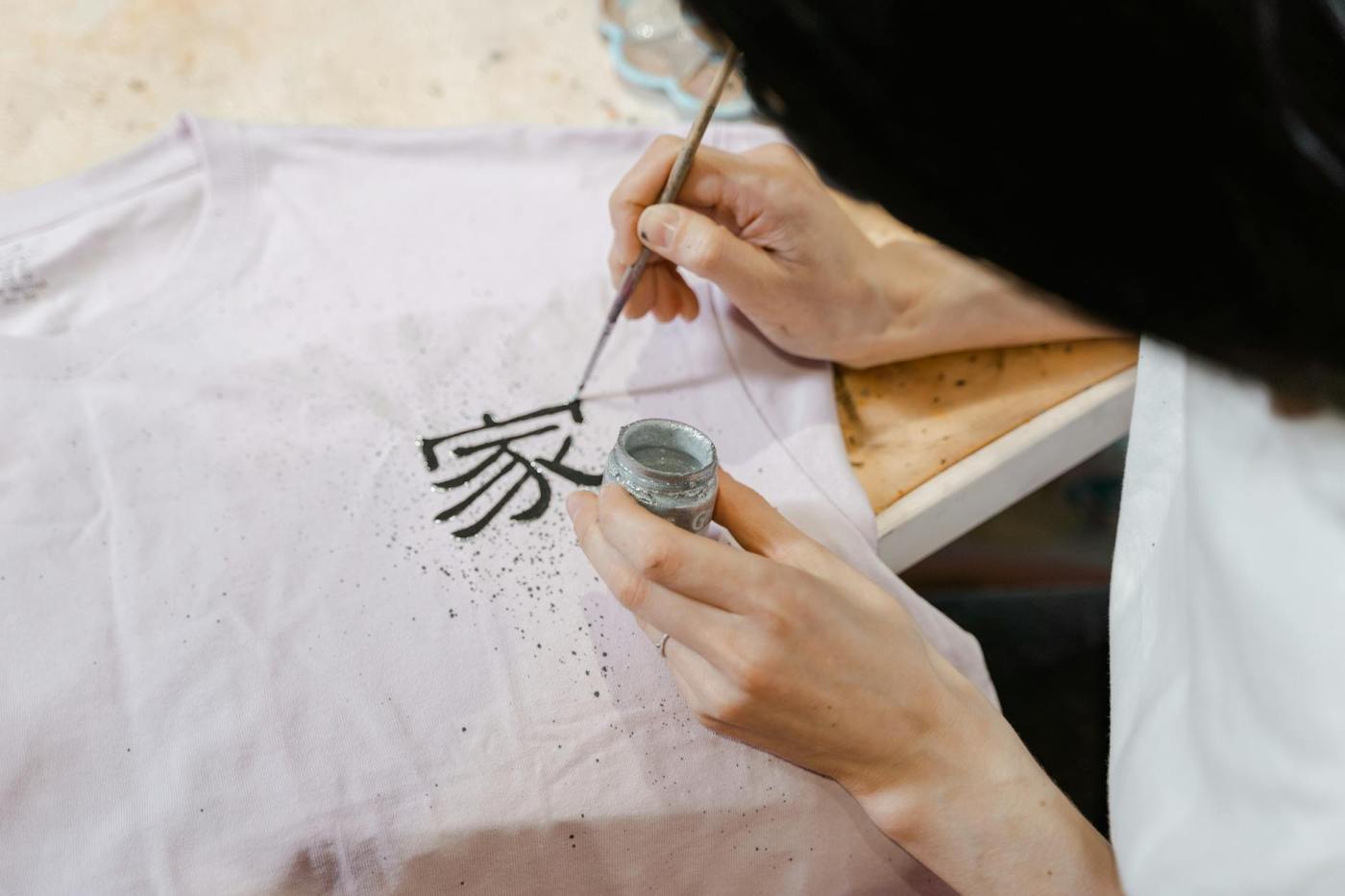
Introduction to Kanji
The kanji script is one of the writing scripts of Japan, the other two being hiragana and katakana. Kanji originated from China, just like the Hanja script in Korea. However, kanji are now very different in sound (the reading) and even meaning compared to the Chinese hanzi. Yet, if you know Chinese or Korean, it will help you a lot in learning Japanese kanji because you are already familiar with the specific characteristics of these scripts. If not, no problem too. This article will take you through all the basics.
How many kanji are there?
In total, there are around 50.000 kanji characters in Japan, and even more in China (85.000 hanzi). However, most of them are not used since they are archaic characters.
The Japanese government created a list of daily-use kanji, Jōyō Kanji, a list of 2,136 kanji. These kanji are used in newspapers, other news sources, government information, educational information, etc. Learning this amount of kanji will provide you with basic literacy. Native speakers usually know more kanji beyond this official list, think about the kanji that are also used for names or are needed to know for one’s profession or higher education. A well-read, educated Japanese adult knows somewhere between 3.000 and 5.000 kanji.
This seems like a lot, and it is; however, there is a bright side. First of all, kanji learning can be a lot of fun. Second, in most cases, it is enough to only be able to read the kanji; writing is not necessary for many learners. And you do not need to learn all the readings of a kanji by heart. It is better to learn vocabulary and focus on a kanji’s reading in a specific word. The best news: knowing around 500 frequently used kanji characters will help you understand 80% of most basic texts.
Categories
There are four categories of kanji: pictographic, indicative kanji, compound ideographs, and semasio-phonetic category. Pictographic and idicative kanji are easier to learn for beginners. Even though these two are separate groups of kanji, they have one thing in common: they rely on visual elements to represent the meaning. Unfortunately, both groups represent only around 5% of all kanji. Around 10% is represented by a third category called the compound ideographs; 会意文字 (かいいもじ). And lastly, most kanji fall into the semasio-phonetic category; 形声文字 (けいせいもじ), which is a bit harder to learn due to the lack of a visual hint. These kanji consist of a radical that represents the meaning and a radical that represents the sound.
The first category of kanji is Pictographic kanji; 象形文字 (しょうけいもじ). Pictographic kanji represent the idea through a pictograph; they look similar to the idea. This is sometimes far-fetched and requires some imagination. But I think these kanji are the easiest to learn and consist of kanji that you learn as a beginner (JLPT N5). See the table below for some examples.
| 月 moon/month | 山 mountain | 馬 horse | 雨 rain |
| 日 sun/ day | 女 woman | 鳥 bird | 羊 sheep |
| 木 tree | 手 hand | 足 foot/leg | 竹 bamboo |
| 人 person | 田 rice field | 母 mama | 車 car |
| 火 fire | 子 child | 門 gate | 目eye |
| 川 river | 口 mouth | 牛 cattle | 永 eternity |
The second category is Indicative kanji, 指事文字 (しじもじ ), which also indicate their meaning through their looks but represent more abstract ideas and are less pictographic.
| 一 One | 上 Up/above | 下 Down/below |
| 二 Two | 中 Middle/between | 面 Face, facet |
| 三 Three | 立 Stand up | 共 Together |
| 音 Sound | 引 Pull | 仲 Relationship |
| 天 Heaven | 今 Now | 末 Top end, tip |
| 公 Public | 世 Society | 片 one of a pair |
Radicals
Radicals are the building blocks of kanji. Smaller elements or kanji that form a bigger picture. There are thousands of kanji, but only a total of 214 radicals. Learning the radicals first is a good approach to kanji learning. Some kanji are radicals, but not all radicals are kanji. For example, the kanji for “one” 一 is a radical too. But the radical “stick” ⼁is only a radical and not a kanji on its own; it is part of many other kanji.
Knowing the radicals and their meaning is important because it helps with looking up new kanji and guessing their meaning. Every kanji has one head radical. The kanji for time 時 has as its head radical 日 sun/day.
Stroke order
Every kanji has a specific stroke order. If you want to learn how to write a kanji, it is important to study its stroke order. The kanji looks balanced when it is written in the correct stroke order. The stroke order also matters for looking up kanji in a kanji dictionary. The stroke order of a kanji usually follows some specific rules, which makes it easier to guess the right stroke order when you are familiar with similar kanji that consist of the same radicals. However, there are always exceptions.
How to Start Studying Kanji
 MariaTheMillennial